Choose a casserole dish by matching its capacity to your usual batches, checking whether its handles and weight suit you, and reserving a storage space before ordering. Treat these as three separate decisions: a useful size is not automatically comfortable to carry or convenient to put away.
Start with the batches you actually make
Use your most-used dish as a reference. Note its marked capacity, shape, and whether you regularly wish it were smaller or larger. Avoid choosing by a promised serving count; instead, compare the proposed dish with the amount you normally prepare.
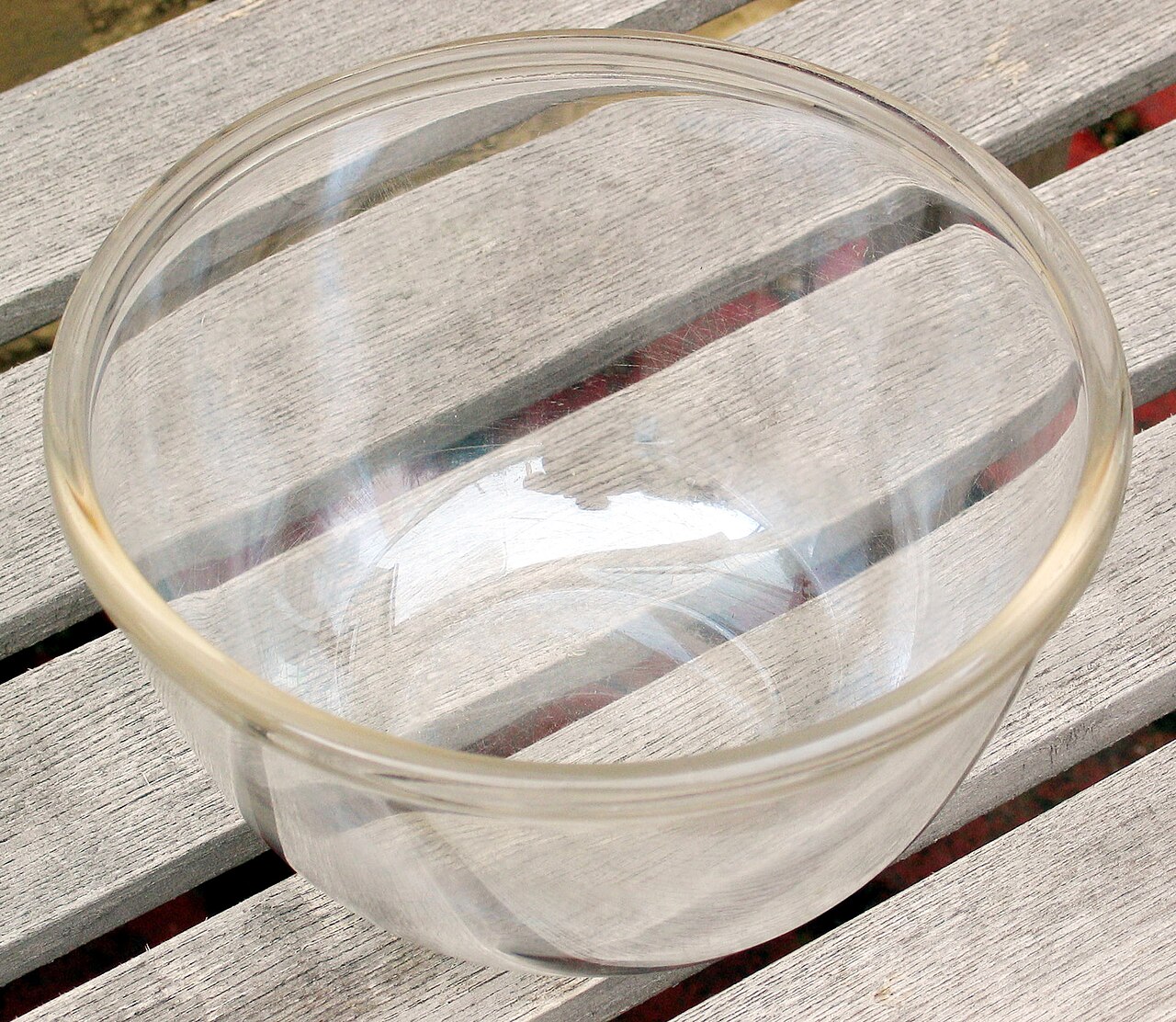
For a smaller-format option, OXO lists its 2-quart glass baking dish with dimensions of 10.6 × 9.4 × 3.2 inches. Its 3-quart version is listed at 15.65 × 9.6 × 3.05 inches. Those examples illustrate why capacity alone is not a storage measurement: the larger model requires considerably more length, while the listed widths are similar. OXO 2-quart specifications and OXO 3-quart specifications.
Build your shortlist around three questions:
- What capacity do I use most often, rather than only for occasional gatherings?
- Does the listing distinguish the cooking area from the overall dimensions?
- Am I buying a different batch size, or merely another dish that duplicates one I own?
If a listing leaves interior depth or handle-inclusive measurements unclear, ask the manufacturer rather than estimating from photographs.
Judge handles together with weight
A handle description is a starting point, not proof of a comfortable grip. OXO describes the 3-quart dish as having wide handles. Lodge specifies dual handles on its seasoned cast iron casserole and lists the pan’s weight as 7.16 pounds. For someone concerned about lifting, that weight deserves attention before adding food. OXO handle details and Lodge specifications.
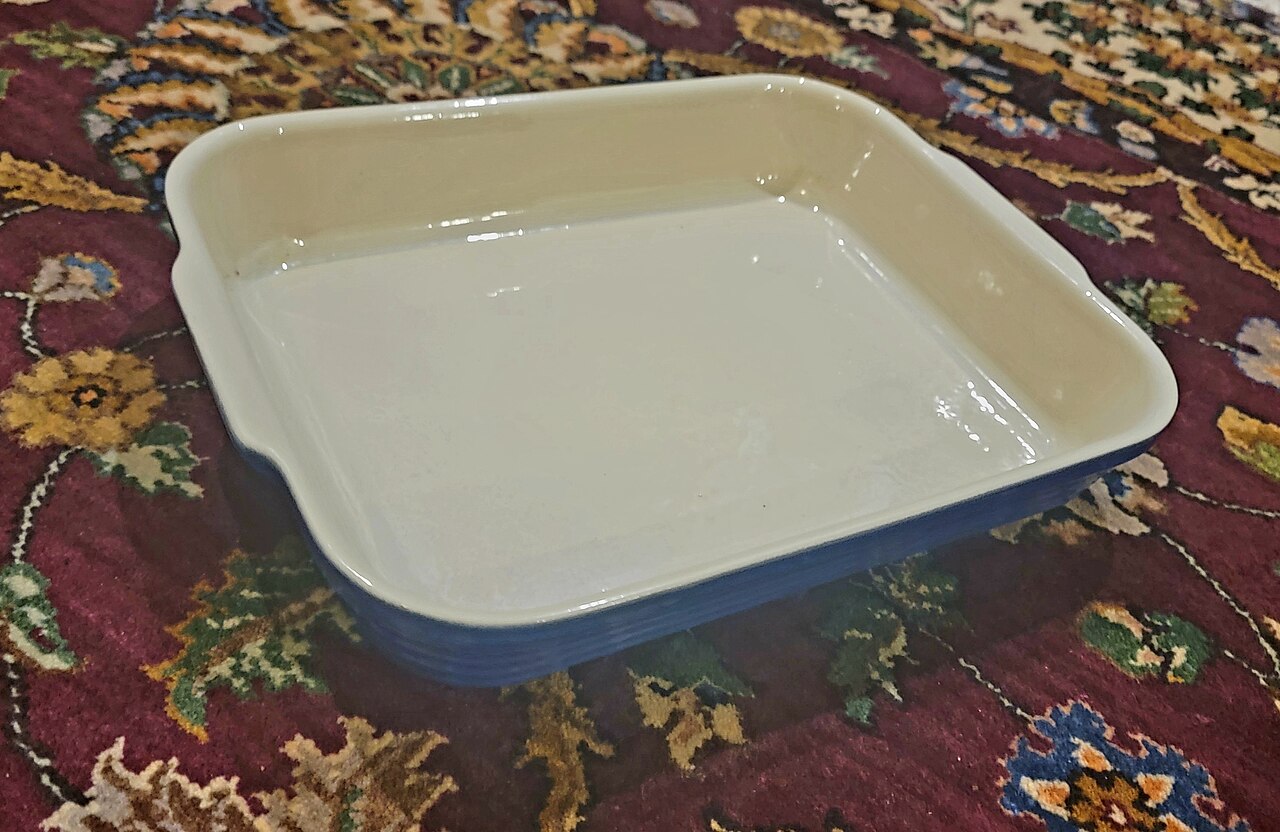
When evaluating a dish in person, assess the empty, room-temperature model with your usual oven mitts. Can you establish a confident two-handed grip without your hands crowding the rim? When shopping online, look for clear overhead and side views, and ask about handle projection or openings if those details are missing.
Make manageable carrying weight a requirement, not a tie-breaker. A larger dish is not a useful upgrade if you would hesitate to lift it when filled.
Measure the handles, not just the dish name
Lodge’s “9 x 13 Inch” casserole has a listed overall length of 16.5 inches. Its dimensional drawing distinguishes the pan body from the projecting handles. That makes it a useful example of why the name on the box should not be your cabinet-fit measurement. Lodge dimensional details.
Measure the cabinet opening as well as the shelf. Then consider the removal path: can you grasp both ends and lift the dish out without moving several other pieces? For an oven-fit check, use the overall dimensions and consult your appliance’s clearance requirements rather than assuming a dish that barely fits is suitable.
A paper outline of the confirmed footprint can help you compare possible storage spots before ordering.
Choose between a lid and a nesting set
A covered single dish is worth considering if an included storage cover is a priority. OXO describes its 3-quart model’s lid as slosh-proof and intended for storage and transport. Do not extend that description into an assumption of leakproof performance or oven permission for the lid. OXO lid description.
A nesting set is worth considering only when you need several batch sizes. Before ordering one, confirm that the exact dishes are designed to nest and ask for the assembled height, including any handles or covers. Do not infer nesting clearance from the nominal pan sizes.
The practical tradeoff is access: decide whether removing smaller dishes to reach the largest would bother you. Ask for the assembled nesting height if shelf clearance is tight. For a lidded dish, confirm the height with the lid attached and decide where the cover will live when separate.
Your before-ordering checklist
- Confirm capacity and usable interior measurements.
- Record overall dimensions, including handles and any lid.
- Check listed weight and assess grip with mitts where possible.
- Choose one everyday size unless additional sizes have clear jobs.
- Verify nesting height or reserve separate lid storage.
- Read the exact model’s use restrictions; OXO specifically excludes its 2-quart glass dish from broiler use. OXO use information.
The best choice is the dish that meets all three needs together: the right batch size, a manageable grip, and an accessible home in your kitchen.