Choose a standard, fixed-base cake pan for everyday layer cakes; choose a springform when the dessert needs to come out upright without being turned over. If you mainly bake birthday cakes, start with standard pans. If cheesecakes or delicate tortes are regular favorites, a springform earns its own place rather than replacing them. King Arthur’s pan guide supports that distinction.
Buy for the release method first
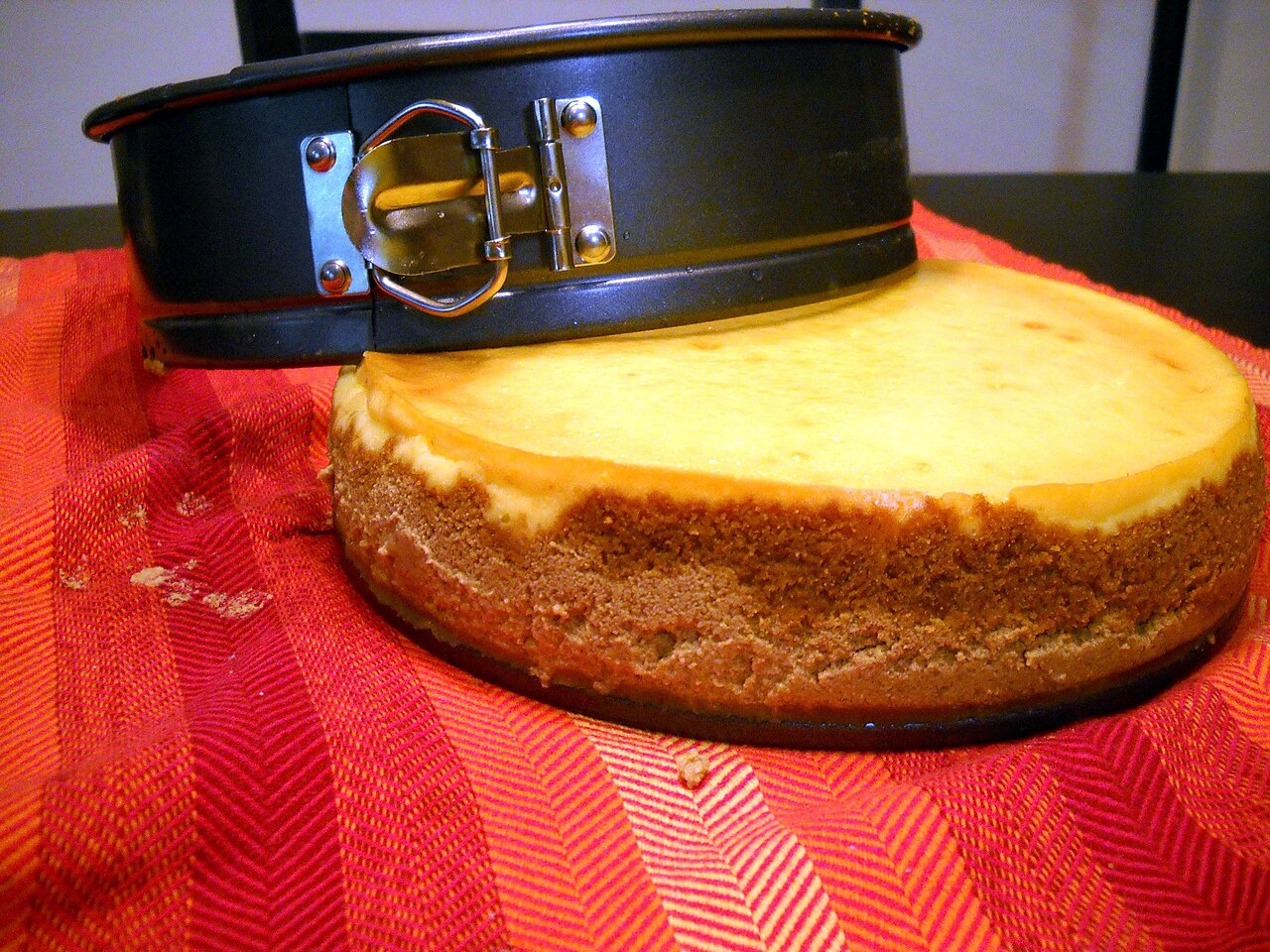
A springform has a separate base and a locking sidewall that opens and lifts away. Its advantage is access: you remove the surrounding pan instead of upending a fragile cake. King Arthur recommends this design for cheesecakes, delicate tortes, and streusel-topped cakes you want to serve outside their pans. The tradeoff is a joint that needs to seal properly; the company advises examining how tightly the wall locks onto the base. Springform design guidance.
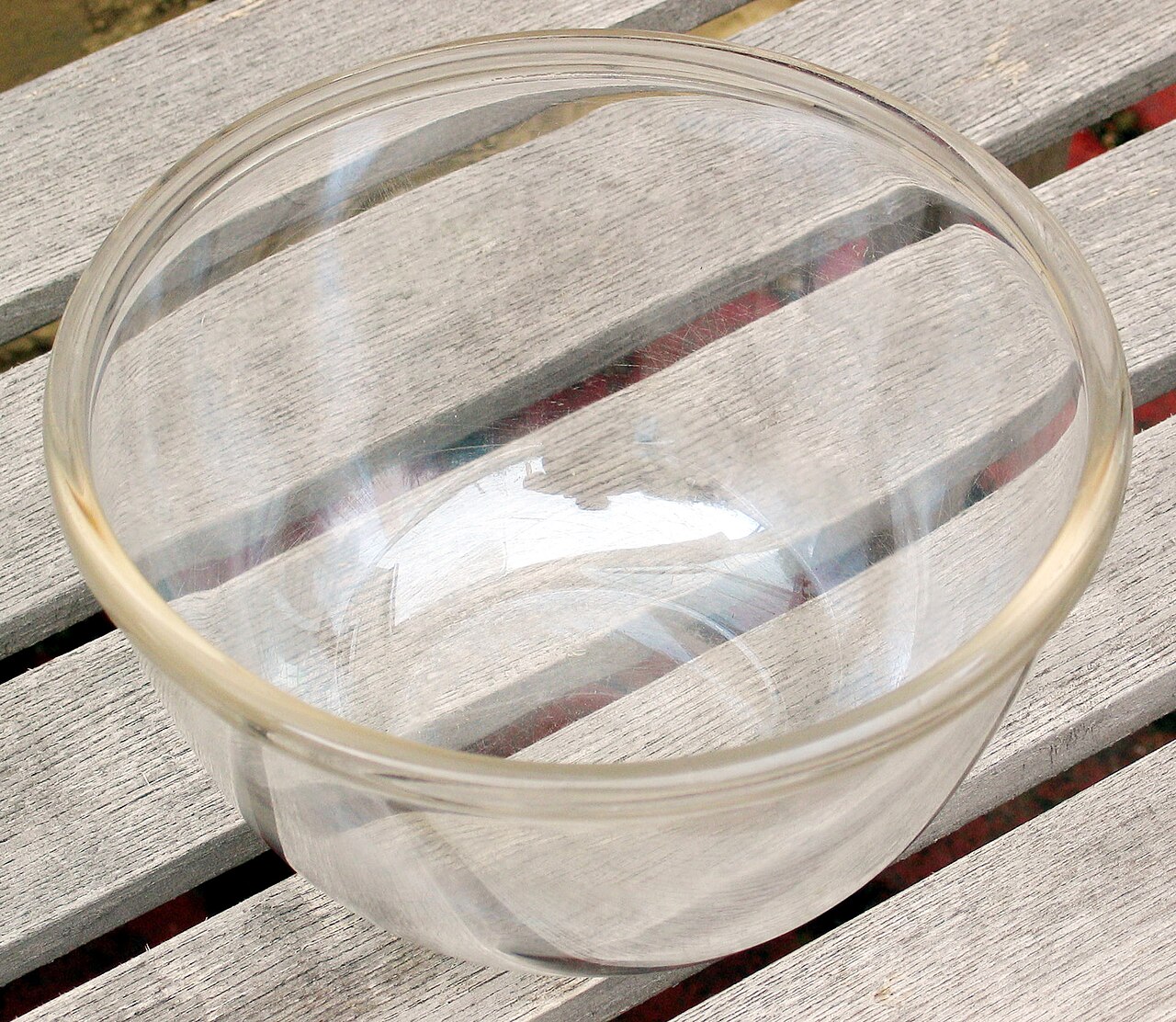
For conventional layer cakes, a matching pair of round cake pans is the more useful starting point. King Arthur favors light-colored aluminum for this job. Layer-cake pan guidance. Before buying a specialty pan, ask: does my usual baking actually need removable sides, or do I simply need another matching layer pan?
Do not confuse matching diameter with interchangeability
A springform and a standard round pan can share a stated diameter without holding the same amount. Depth matters too. King Arthur explains that substituting a shallower conventional pan for a taller springform can change browning and create overflow risk. A familiar size label is therefore not enough to justify a swap. Why pan size matters.
Make your buying reference a recipe you already use successfully. Record its required pan design, diameter, depth, and number of pans. This is more useful than shopping for the biggest capacity you can find. Treat a different design as a separate equipment decision, not an automatic upgrade.
Separate construction from finish
Color also deserves attention. King Arthur notes that darker metal pans promote more browning than light-colored metal. Do not assume two differently finished pans will behave identically simply because their dimensions match. Material and color guidance.
Check these details before ordering
- Match the baking job. Write down whether you need ordinary cake layers or upright release for a delicate dessert.
- Verify the interior. Compare diameter and depth with your established requirements, not just the size in the listing title.
- Ask about the assembled footprint. Request exterior measurements, including the springform buckle, if cabinet or oven space is tight.
- Examine the closure. Look for clear views of the band-to-base connection. A tight fit is a buying criterion, not something to infer from a decorative product photo. Seal guidance.
The practical takeaway
Build around what you actually bake. Prioritize matching standard pans if layers dominate your plans; add a springform when upright release solves a recurring problem. Owning both makes sense when they serve different jobs—not merely because both appear on a bakeware checklist.